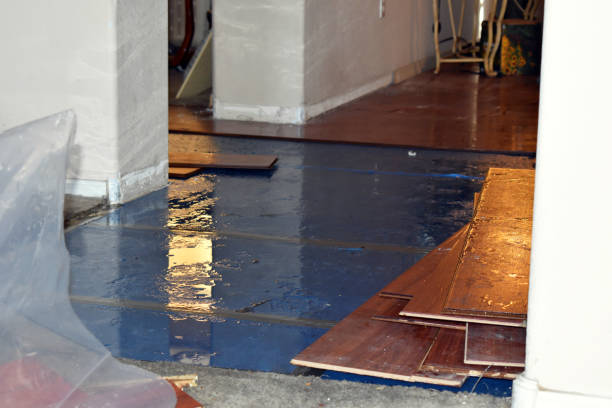
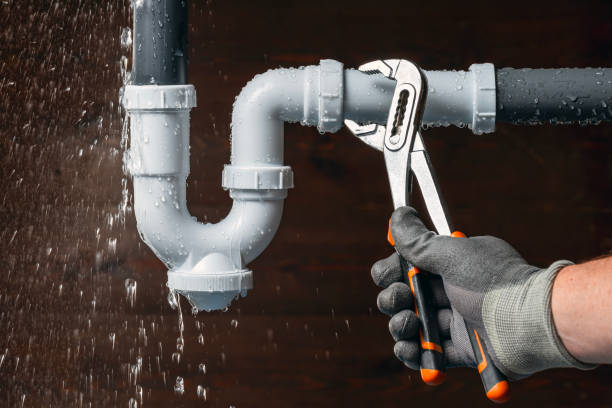
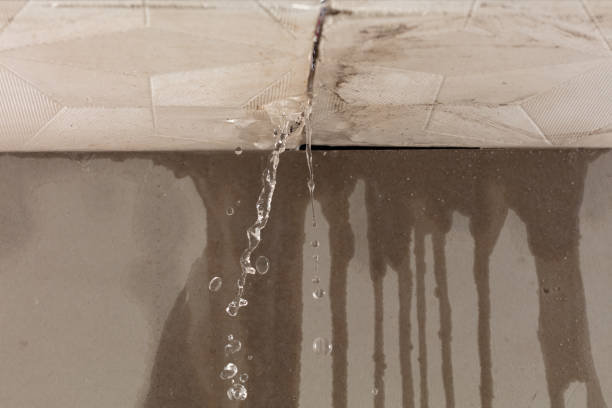
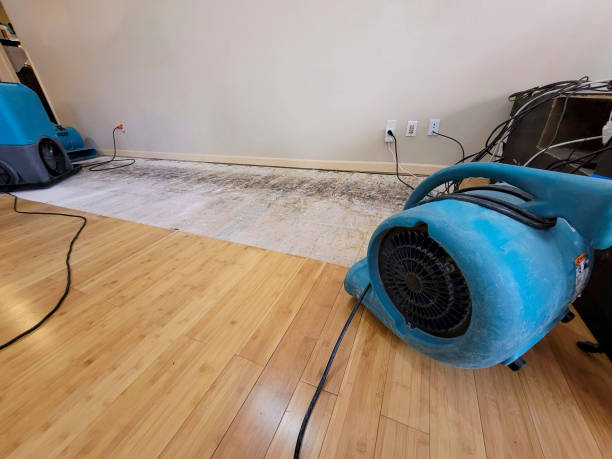
Drying a structure correctly is a science, not a guess. Our Structural Drying And Dehumidification process uses psychrometric readings to place equipment exactly where it's needed, tracked with daily logs.
Call +1-844-833-1325 Now
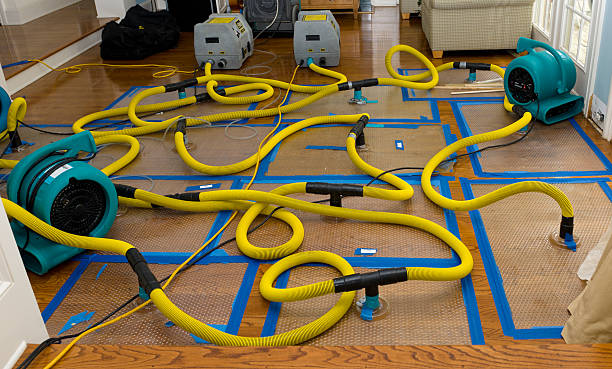
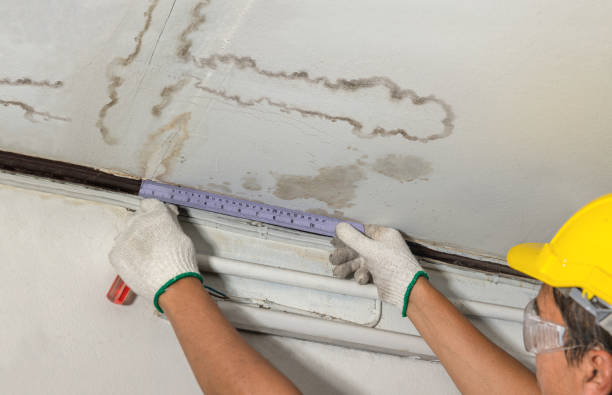
A moisture meter reading is compared against a dry reference point in the same structure, not a fixed number, since normal moisture content varies by material and by region.
None of this is unique to a big loss either — the same standard applies whether it's a single-room structural drying and dehumidification call or a larger one.
We built this list around what typically goes wrong when structural drying and dehumidification gets handled by a generalist rather than a specialist.
None of these standards are unique to us in theory, but they're worth confirming before you let anyone start structural drying and dehumidification work on your property.

We calculate drying conditions using psychrometric data, not a visual estimate.
Logs are shared throughout the job so you always know where the drying stands.
We match dehumidifier capacity to the actual square footage and moisture load, not a one-size unit.
A job doesn't close until moisture meter readings confirm a safe drying standard.
We don't treat structural drying and dehumidification as a single generic task — each part of the process below gets its own specific approach.

We measure temperature, humidity, and grain depression to calculate the actual drying conditions needed.
Placement follows the specific geometry of the affected room, adjusted daily as conditions change.
LGR units pull moisture from the air faster than standard dehumidifiers, especially in high-humidity conditions.
Monitoring continues even after materials look dry, since surface dryness doesn't mean full drying.
We use thermal imaging both at assessment and again before sign-off to confirm nothing was missed.
Complete drying logs are provided at job close, useful for both your records and insurance claims.
This is the same sequence every structural drying and dehumidification job follows, regardless of size.
A real person answers, asks a few fast questions, and routes the nearest available crew.
The truck that arrives is stocked specifically for Structural Drying And Dehumidification jobs, not a generic handyman setup.
A technician assesses the scope on-site and provides a written flat-rate quote before any work begins.
A job isn't closed on a visual check — it's closed on a verified reading.


"The daily drying log meant we always knew exactly where the job stood."
Carlos V., New Harmony"Our crawl space held humidity longer than expected and they adjusted the dehumidifier setup accordingly."
Wendy K., New Harmony"Thermal imaging at the final check caught a spot that still needed another day of drying."
Marcus T., New Harmony"Daily logs meant our facilities manager always had current numbers to report internally."
Angela F., New HarmonyThese are the questions we hear most often about structural drying and dehumidification, gathered from real calls, not a generic template list.

Our structural drying and dehumidification coverage spans 84757, with trucks positioned to reach any address in the service area quickly.
Coverage extends past the immediate area, so an outlying New Harmony address isn't treated as a lower priority for structural drying and dehumidification.